Enterprise Trust & Compliance: A Practical Guide
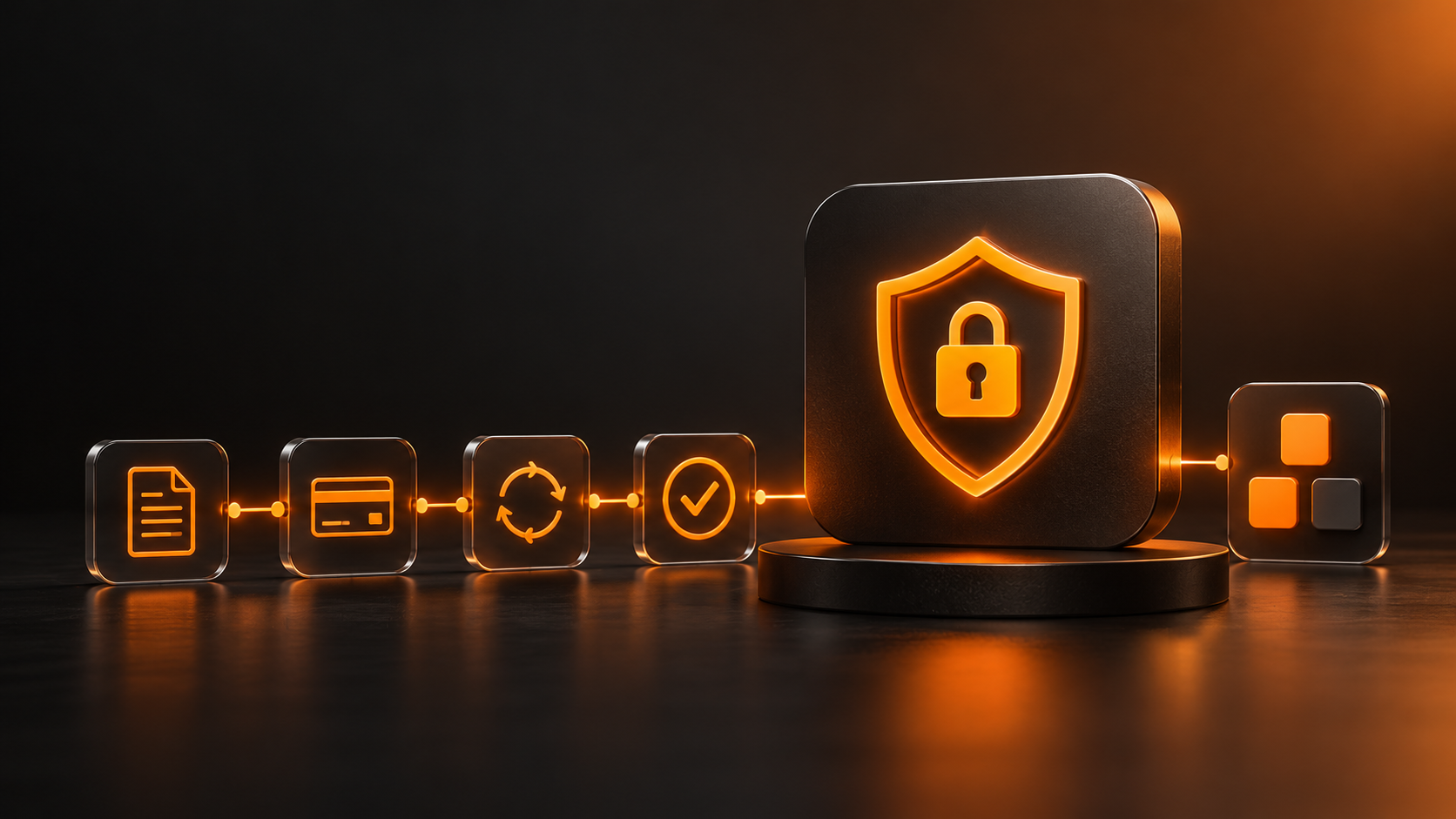
Enterprise trust is not built on features. It is built on architecture. Multi-tenant isolation is the foundation. Row-level. Workspace-scoped. Database-enforced. From day one.
What enterprise buyers actually ask about
When a compliance team evaluates software, they do not ask about new features.
They ask:
Is my data isolated from other customers' data?
Can you prove it?
At what layer is the isolation enforced?
What happens if your app layer has a bug?
Most SaaS companies fumble these questions because multi-tenancy was an afterthought.
They bolted it on top of single-tenant architecture. It works. But it is fragile.
The multi-tenancy problem
Many SaaS platforms start single-tenant:
Database per customer
Separate deployments
Complete isolation by default
Then they realize: this does not scale. Managing 100 databases is a nightmare.
So they retrofit multi-tenancy:
Merge databases (tenant_id column)
Add app-layer isolation (if tenant_id matches, show data)
Hope their devs remember to check tenant_id on every query
This works until it does not. One missed WHERE clause. One bug. Customer A sees Customer B's data.
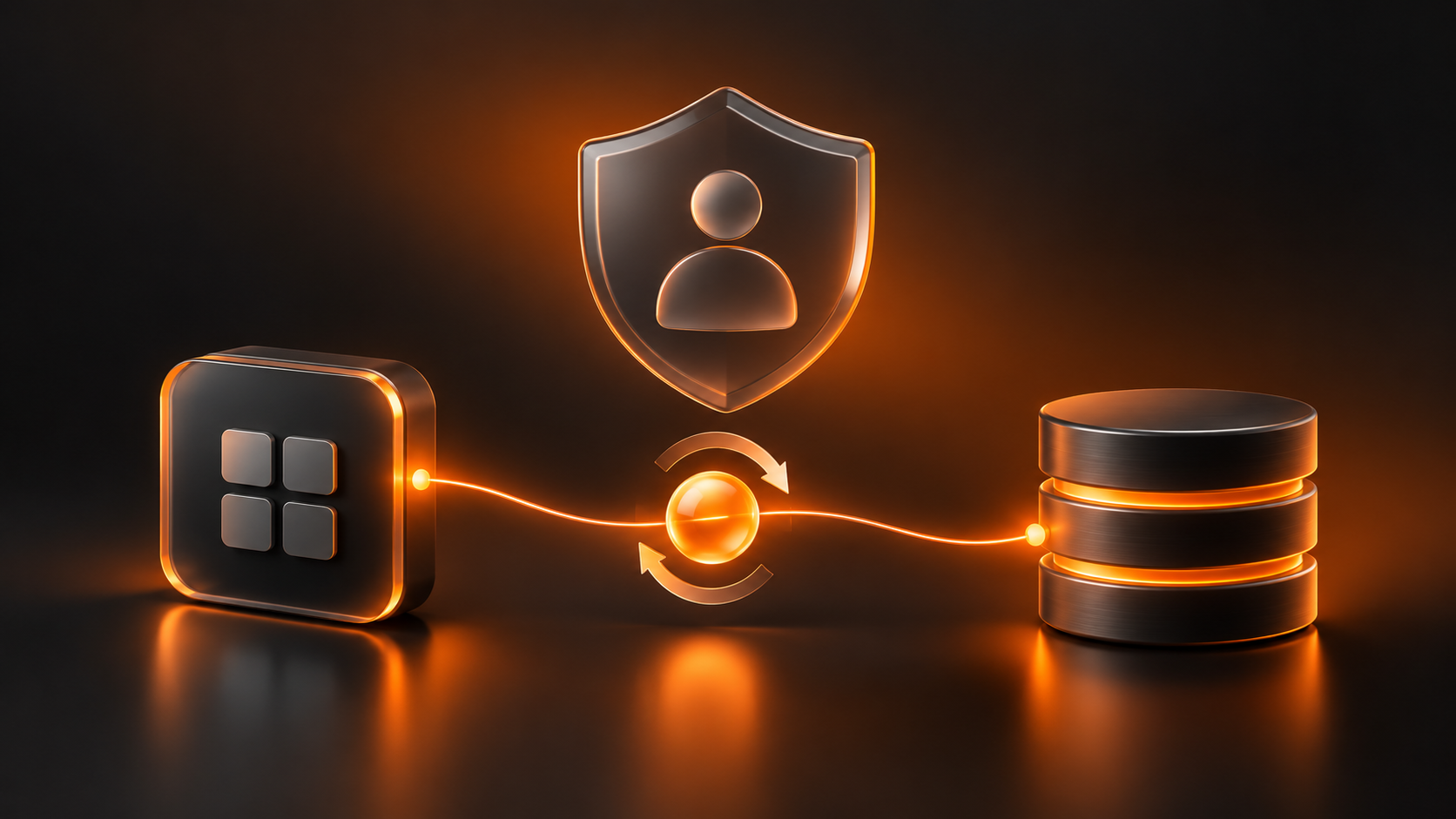
True multi-tenancy: built in from day one
True multi-tenancy: built in from day one
The alternative is to build multi-tenancy into the foundation.
Not as a feature. As a first-class architectural principle.
This means:
Every table has a workspace_id column
Every query filters by workspace_id at the database layer
Database-level constraints enforce it (not app logic)
No query can accidentally leak data between workspaces
How it actually works
The database layer
Every table in the schema has workspace_id:
CREATE TABLE test_runs (
id UUID PRIMARY KEY,
workspace_id UUID NOT NULL,
test_name VARCHAR(255),
status VARCHAR(50),
created_at TIMESTAMP,
FOREIGN KEY (workspace_id) REFERENCES workspaces(id),
INDEX idx_workspace_test_runs (workspace_id)
);
Notice: every query on test_runs must filter by workspace_id. This is not optional.
The query enforcement
A query without workspace_id filtering cannot succeed:
-- This query will be REJECTED
SELECT * FROM test_runs;
-- This query will SUCCEED
SELECT * FROM test_runs WHERE workspace_id = 'org-123';
How? Through database-level row-level security (RLS) policies or application-enforced query constraints.
The point: the database itself prevents data leakage. Not the app. Not developer discipline.
The application layer
Every request includes workspace context:
app.get('/api/tests', (req, res) => {
const workspaceId = req.user.workspaceId;
const tests = db.query(
'SELECT * FROM tests WHERE workspace_id = ?',
[workspaceId]
);
res.json(tests);
});
The app passes workspace_id to every database query. The database enforces it.
Why database-enforced is better than app-enforced
You could enforce isolation entirely in the app layer. Many platforms do.
Problem: if your app has a bug, isolation breaks.
Example: a developer adds a new endpoint. They forget the WHERE clause:
// BUG: missing workspace_id filter
app.get('/api/tests', (req, res) => {
const tests = db.query('SELECT * FROM tests');
res.json(tests); // Returns all tests from all workspaces
});
With database-enforced isolation, this query fails. The database rejects it.
With app-only isolation, this query succeeds. Customer A now sees Customer B's data.
Compliance advantages
0
cross-workspace data leakages due to application bugs
100%
audit trail coverage (every query is logged with workspace context)
3 weeks
typical time to pass HIPAA/SOC 2 audits (vs 12+ weeks without isolation)
When compliance teams audit a multi-tenant system, they ask: can the database prevent data leakage?
If the answer is yes (database-enforced), they pass you.
If the answer is no (app-only), they ask more questions. Many more.
Real scenario: healthcare SaaS
A healthcare platform serves 50 hospitals.
Each hospital has patient data (PHI = Protected Health Information).
HIPAA says: patient data must be isolated. Hospitals cannot see each other's data.
Without database-enforced isolation:
App layer is responsible for isolation
App layer has 5,000 queries across 50 tables
Every query must filter by hospital_id
If one query forgets hospital_id, patient data leaks
Audit takes 12 weeks to verify all 5,000 queries
With database-enforced isolation:
Database prevents leakage automatically
Audit asks: is isolation database-enforced? Yes.
Audit takes 3 weeks
That 9-week difference is real money.
When to retrofit vs when to build in
If you are pre-series A: build multi-tenancy from day one.
It costs 5% more up-front. It saves 50% later.
If you are post-series A and single-tenant: do not retrofit. Build a multi-tenant version in parallel.
Keep your single-tenant product running
Build new multi-tenant product separately
Migrate customers gradually
Retrofitting is painful. Do not do it.
The feature blocker
Here is the thing nobody talks about: true multi-tenancy sometimes blocks features.
Example: a customer asks for 'bulk data export.' You want to give them all their data.
But exporting data crosses workspace boundaries if you are not careful.
With true isolation, you need to think through the feature. You cannot just export. You must respect isolation.
This is good. It makes you think. But it slows down feature shipping.
That trade-off is worth it.
Architecture patterns
There are three common patterns for multi-tenancy:
Pattern 1: Database per tenant
Each customer gets a separate database.
Pros: maximum isolation, easiest audit
Cons: hard to scale, expensive, operational overhead
Use when: customer is mission-critical and isolation is non-negotiable
Pattern 2: Shared database, row-level isolation
One database. All customers' data. Enforced isolation at the row level.
Pros: scalable, cost-effective, auditable
Cons: requires careful architecture
Use when: you want SaaS economies but need true isolation (most cases)
Pattern 3: Hybrid
Small customers share a database. Large customers get their own database.
Pros: best of both worlds
Cons: complex to operate
Use when: you have a wide range of customer sizes
For engineering leaders
If you are building enterprise software:
Do not skip multi-tenancy. Do not say 'we will add it later.'
It is part of the foundation. Build it in from day one.
Ask your team: can we prevent data leakage if the app layer has a bug?
If the answer is no, you have work to do.
The trust effect
Compliance teams care about one thing: trust.
Can I trust this platform with my data?
Multi-tenancy, when done right, answers that question immediately.
Yes. Because even if the app breaks, the database protects you.
See how multi-tenant isolation passes compliance audits.https://www.walnutai.ai/ with our security team.